
Summary
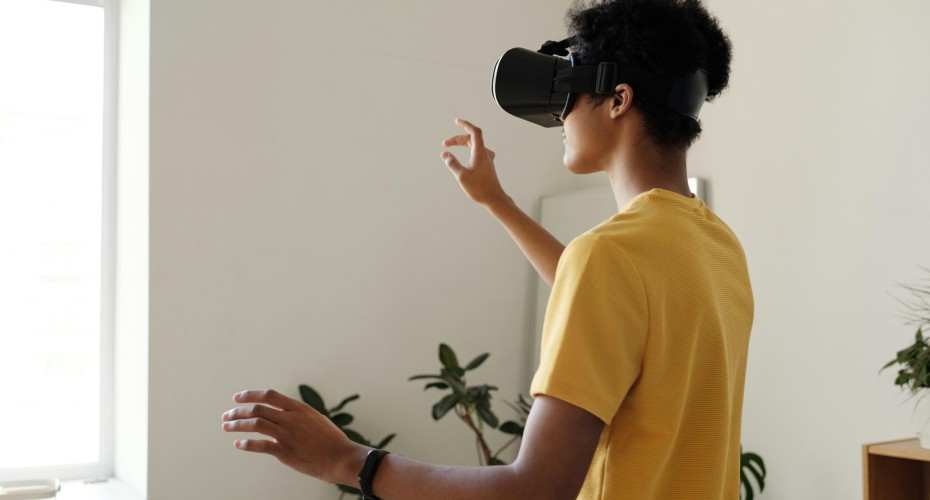
A preliminary study conducted by the University of Exeter found that playing the VR game Beatsaber improved motor coordination in young people with dyspraxia, also known as **Developmental Coordination Disorder (DCD)**. The study, published in **JMIR**, involved 27 participants aged 10 to 16 who played Beatsaber for 30 minutes a day for a week, resulting in improvements in upper-body dexterity compared to playing games on a tablet. **Dyspraxia** affects 2 children in each class of 30 in the UK, causing difficulties with object manipulation and locomotor skills. The research suggests that VR games could be an effective way to improve motor control in children and adolescents with dyspraxia, potentially enhancing their participation in sporting activities and everyday life. For more information on dyspraxia, visit the [[dyspraxia|Dyspraxia]] page. The study's findings have implications for the use of **Virtual Reality (VR)** in therapy and education, as discussed in the [[virtual-reality-in-therapy|Virtual Reality in Therapy]] and [[education-technology|Education Technology]] topics.
Key Takeaways
- The study found that playing the VR game Beatsaber improved motor coordination in young people with dyspraxia
- The study involved 27 participants aged 10 to 16 who played Beatsaber for 30 minutes a day for a week
- Dyspraxia affects 2 children in each class of 30 in the UK
- The use of VR games like Beatsaber could be a valuable addition to existing therapies and educational programs
- More extensive studies are needed to fully understand the potential benefits and limitations of using VR games in the treatment of dyspraxia
Balanced Perspective
While the study's findings are promising, it is essential to note that the research is still in its preliminary stages, and more extensive studies are needed to fully understand the potential benefits and limitations of using VR games in the treatment of dyspraxia. The study's small sample size and short duration also limit the generalizability of the results. However, the use of VR games like **Beatsaber** could be a valuable addition to existing therapies and educational programs, providing a more engaging and interactive experience for young people with dyspraxia. For more information on the current state of dyspraxia research, visit the [[dyspraxia-studies|Dyspraxia Studies]] page.
Optimistic View
The study's findings are a significant breakthrough in the treatment of dyspraxia, offering a fun and engaging way to improve motor skills in young people. The use of VR games like **Beatsaber** could revolutionize the way we approach therapy and education for individuals with dyspraxia, providing a more immersive and effective experience. As discussed in the [[assistive-technology|Assistive Technology]] topic, the potential benefits of VR for individuals with dyspraxia are vast, and further research could lead to the development of more targeted and effective interventions. For example, the use of VR in [[occupational-therapy|Occupational Therapy]] could help individuals with dyspraxia develop the skills they need to participate in everyday activities.
Critical View
The study's findings, while interesting, do not necessarily translate to real-world improvements in motor skills for young people with dyspraxia. The use of VR games like **Beatsaber** may not be feasible or effective for all individuals with dyspraxia, particularly those with more severe symptoms or limited access to VR technology. Additionally, the study's focus on upper-body dexterity may not address the full range of difficulties experienced by individuals with dyspraxia, such as locomotor skills and object manipulation. For a more in-depth discussion of the challenges and limitations of using VR in therapy, see the [[virtual-reality-therapy-limitations|Virtual Reality Therapy Limitations]] topic.
Source
Originally reported by University of Exeter News